How Rabbit Color Genetics Work
Rabbit color is controlled by multiple independent gene locations called loci — each one inherited separately from each parent. A rabbit carries two copies of each gene, one from its dam and one from its sire. Some genes are dominant and only one copy is needed to express the trait visually. Others are recessive and require two copies before they show in the coat.
This means a rabbit can carry genes that are completely invisible to the eye. A rabbit that looks solid orange may carry chocolate, dilute, harlequin or Vienna genes hidden beneath the surface — only revealed when paired with the right partner and specific offspring appear. This is why tracking litter outcomes over time is such a valuable tool for understanding what your animals actually carry.
Controls whether a rabbit expresses an agouti pattern (ticking), self (solid), or tan pattern. Agouti is dominant over self.
B_ = black based. bb = chocolate based. Chocolate is fully recessive — two copies required to express.
Controls full color expression. Two copies of cc produces a true REW (ruby-eyed white) — a complete absence of color pigment.
D_ = standard color. dd = dilute — black becomes blue, chocolate becomes lilac, orange becomes fawn or cream.
Controls how pigment extends through the coat. The ej allele produces the harlequin pattern. ee produces a REW through a different pathway than the C locus.
En is the broken gene — adds white spotting to the coat. One copy produces broken pattern. Two copies produces a charlie, a mostly white rabbit with minimal color.
Key Genes in Our Program
Our Holland Lop breeding program is built around a specific set of color genes that we have confirmed through careful observation and litter outcome tracking. We focus on harlequin, dilute, chocolate, broken pattern and Vienna genetics — a combination that produces some of the most visually striking and rare color variations in Holland Lops.
Harlequin Gene — ej
The harlequin gene at the E locus produces an alternating banded pattern of two pigment types — eumelanin (black or chocolate based) and phaeomelanin (orange or cream based). A true harlequin shows these colors in defined alternating bands across the body, split face and alternating ear colors. The harlequin gene is the foundation of our most sought after color combinations.
Dilute Gene — dd
The dilute gene softens all pigment expression. Black becomes blue-grey, chocolate becomes lilac, orange becomes fawn or cream. When dilute is combined with harlequin the result is softer, more ethereal color combinations — blue fawn harlequin, dilute tricolor and similar variations that are genuinely rare in Holland Lops.
Chocolate Gene — bb
Chocolate is a fully recessive gene requiring two copies to express visually. A chocolate rabbit paired with a harlequin carrier has the potential to produce chocolate harlequin offspring — a rich warm brown alternating with orange. Combined with dilute the result is lilac, one of the rarest and most beautiful Holland Lop colors.
Broken Pattern — En
The broken gene adds white spotting to any base color. A broken harlequin rabbit shows the alternating harlequin pattern interrupted by white patches creating a tricolor effect. One copy of the broken gene produces broken pattern. Two copies produces a charlie — a mostly white rabbit with very minimal color expression, typically just a few spots on the nose and ears.
Harlequin vs Tricolor
The difference between a harlequin and a tricolor is one of the most commonly misunderstood distinctions in rabbit color genetics — and one worth understanding clearly whether you are a buyer, a breeder or simply curious about the rabbits you are considering.
Harlequin
A harlequin rabbit expresses exactly two colors in alternating bands — typically orange and black, or their dilute equivalents (fawn and blue). The pattern alternates across the body, split face and ears. A true harlequin carries the ej allele at the E locus and does not carry the broken gene. White is not a color of the harlequin pattern — if white is present, the rabbit is not a standard harlequin.
Tricolor
A tricolor rabbit expresses three colors — orange, black and white. This requires both the harlequin gene and the broken gene working together. The broken gene introduces white into the harlequin pattern, creating three distinct color areas rather than two. A tricolor is genetically a broken harlequin — it carries ej at the E locus and at least one copy of En at the En locus.
Correctly identifying a rabbit as harlequin versus tricolor is not just a labeling preference — it has direct implications for breeding outcomes. A buyer who acquires a tricolor rabbit expecting harlequin genetics in future pairings will encounter unexpected results because the broken gene changes the probability calculations significantly. We take care to identify our rabbits accurately and we encourage anyone purchasing breeding stock from any source to ask questions and understand what they are actually getting.
From our current litters: Clover's spring 2026 litter with Cinnamon is currently developing color and showing both harlequin banding expression and what appear to be early tricolor patterns in some kits — exactly the expected outcome from a dam carrying broken and harlequin genes paired with a sire confirmed harlequin and broken carrier. We are documenting the color development of each kit carefully as their coats fill in.
The Vienna Gene
The Vienna gene is one of the most important genetic factors for responsible rabbit breeders to understand and disclose. It is also one of the most frequently undisclosed — which can lead to serious health problems in future generations when two carriers are unknowingly paired.
How Vienna Expresses
A rabbit carrying one copy of the Vienna gene (Vv) is called Vienna marked or a Vienna carrier depending on how strongly it expresses. Vienna marked rabbits typically show blue eyes, white patches or a white blaze on the face, white feet or a mostly white coat with colored patches. Carriers with no visual expression can still pass the gene to offspring.
A rabbit carrying two copies of the Vienna gene (VV) is a Blue Eyed White or BEW. BEW rabbits are fully white with blue eyes. The concern with the VV combination is megacolon — a potentially fatal digestive condition that occurs at a higher rate in double Vienna rabbits.
No Vienna gene. Normal color expression. Cannot produce BEW offspring regardless of partner.
One Vienna gene. May show blue eyes, white patches or appear fully colored. Can pass Vienna to offspring. Disclosure required to future breeders.
Two Vienna genes. Fully white with blue eyes. Elevated risk of megacolon. Requires careful pairing — should only be bred to confirmed vv clean partners.
Vienna in Our Program
We confirm and disclose Vienna status for all of our breeding animals and kits where it can be determined. Our dam Clover is a visually confirmed Vienna marked rabbit (Vv) and serves as a clear example of Vienna expression in our program — blue eyes, white blaze and extensive white patterning throughout her coat. Our Holland Lop bucks Cinnamon and Nutella are both assessed as likely Vienna clean (vv) based on litter outcomes.
Any kit from our program that may carry the Vienna gene is disclosed to buyers at the time of sale. We strongly encourage anyone who purchases a Vienna carrier and intends to breed to research Vienna genetics thoroughly before pairing.
When purchasing any rabbit intended for breeding — from any source — always ask specifically about Vienna status. A rabbit with blue eyes, white patches or a white blaze should be considered a Vienna carrier until confirmed otherwise. Pairing two Vienna carriers without understanding the risk can result in VV offspring with serious health complications.
Dilute Genetics
The dilute gene at the D locus is fully recessive — meaning both parents must carry at least one copy for dilute offspring to appear, and a rabbit must inherit two copies (dd) to express dilute visually. A rabbit with one copy (Dd) looks exactly like a non-dilute rabbit but silently carries the gene and can pass it to offspring.
Dilute does not change a rabbit's pattern or markings — it simply softens all pigment expression throughout the coat. The effect on different base colors is as follows:
Black pigment diluted to a soft blue-grey. One of the most recognized dilute expressions in Holland Lops.
Chocolate pigment diluted to a warm dove grey with a pinkish undertone. One of the rarest and most sought after Holland Lop colors.
Orange pigment softened to a warm fawn or pale cream depending on intensity. Gives harlequin litters their softer ethereal warm tones.
The alternating harlequin banding expressed in dilute range — blue-grey alternating with fawn or cream instead of black alternating with orange.
How We Confirmed Dilute in Our Program
Cinnamon's dilute carrier status was not assumed from his appearance — it was confirmed through litter outcomes. When paired with Clover, who is a confirmed dilute rabbit (blue is a dilute expression of black), their spring 2026 litter produced multiple visibly dilute cream and fawn kits. The proportion of dilute offspring in a litter of nine strongly supports Cinnamon carrying two copies of the dilute gene (dd) rather than just one. This kind of litter outcome tracking is how we build confidence in our genetic assessments beyond what visual inspection alone can tell us.
Conclusion: Cinnamon confirmed dd dilute through litter outcome analysis.
Colors in Our Herd
Our current Holland Lop breeding animals represent a carefully selected range of color genetics that together produce extraordinary variety in our litters. Below is a summary of each animal's confirmed and assessed genetics.
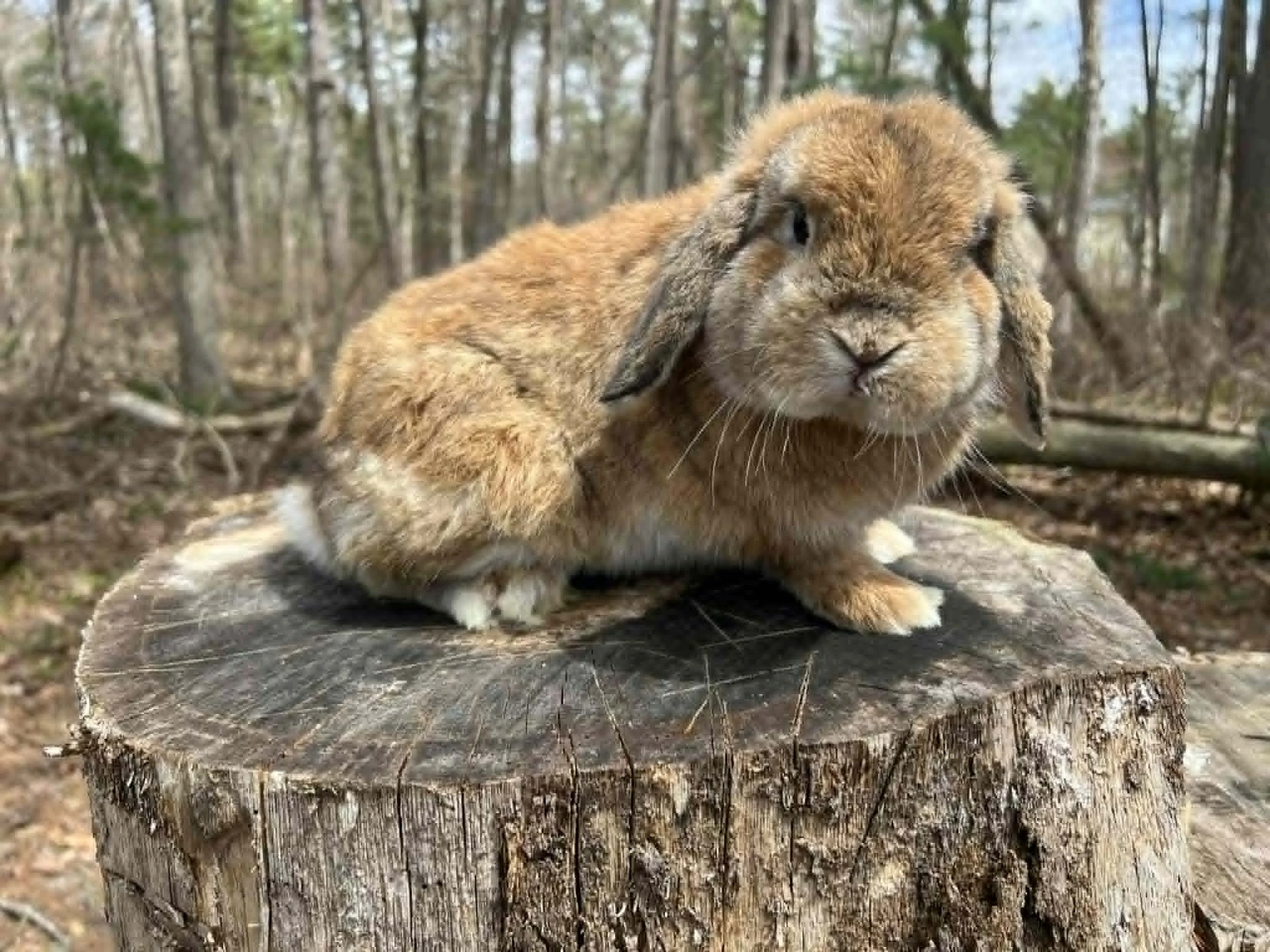
dd Dilute confirmed En_ Broken carrier confirmed ej Harlequin carrier — supported by litter outcomes vv Vienna clean likely B_ Black based likely
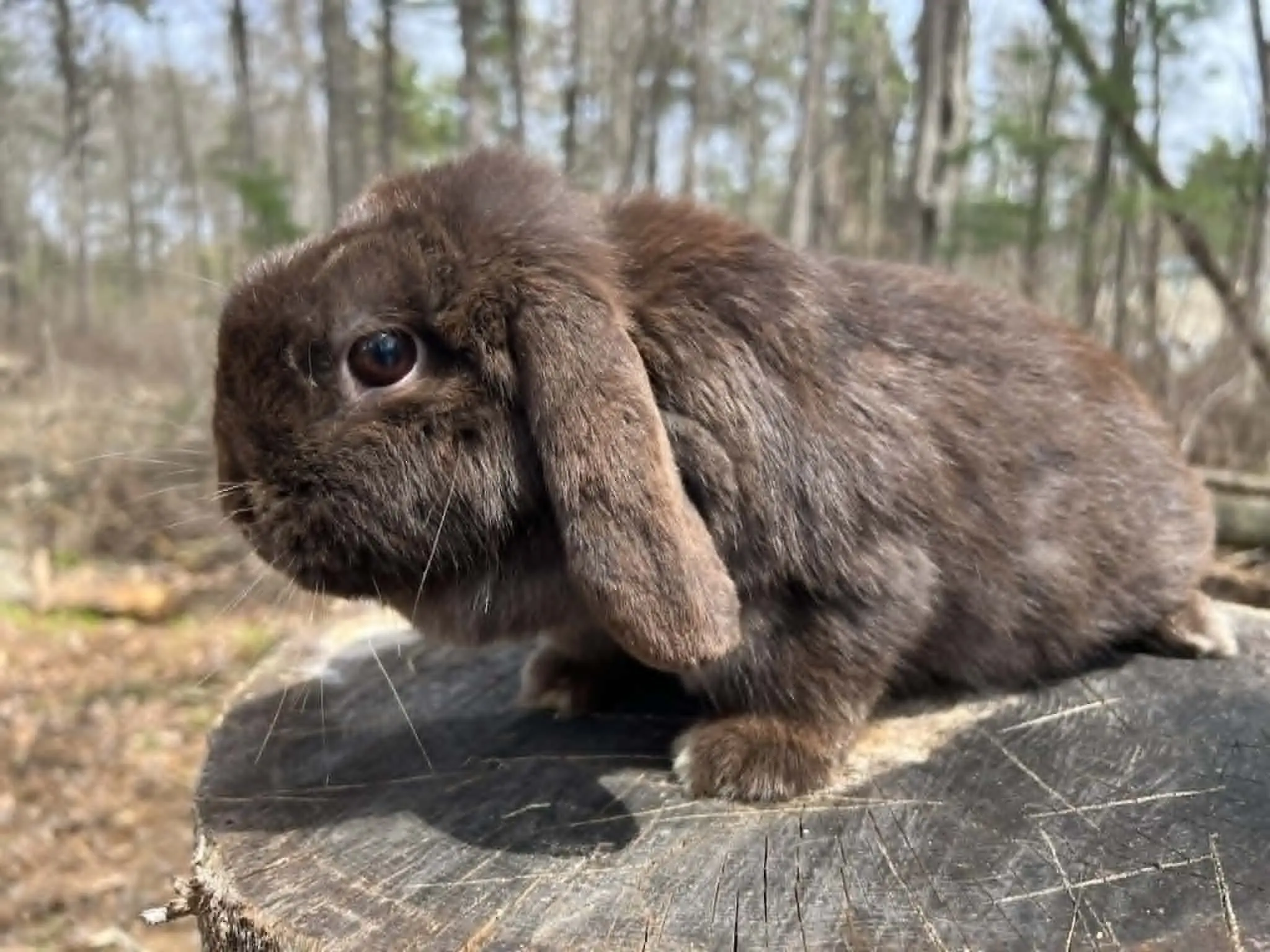
bb Chocolate confirmed vv Vienna clean confirmed Dilute status unknown — current litter will confirm False dwarf likely
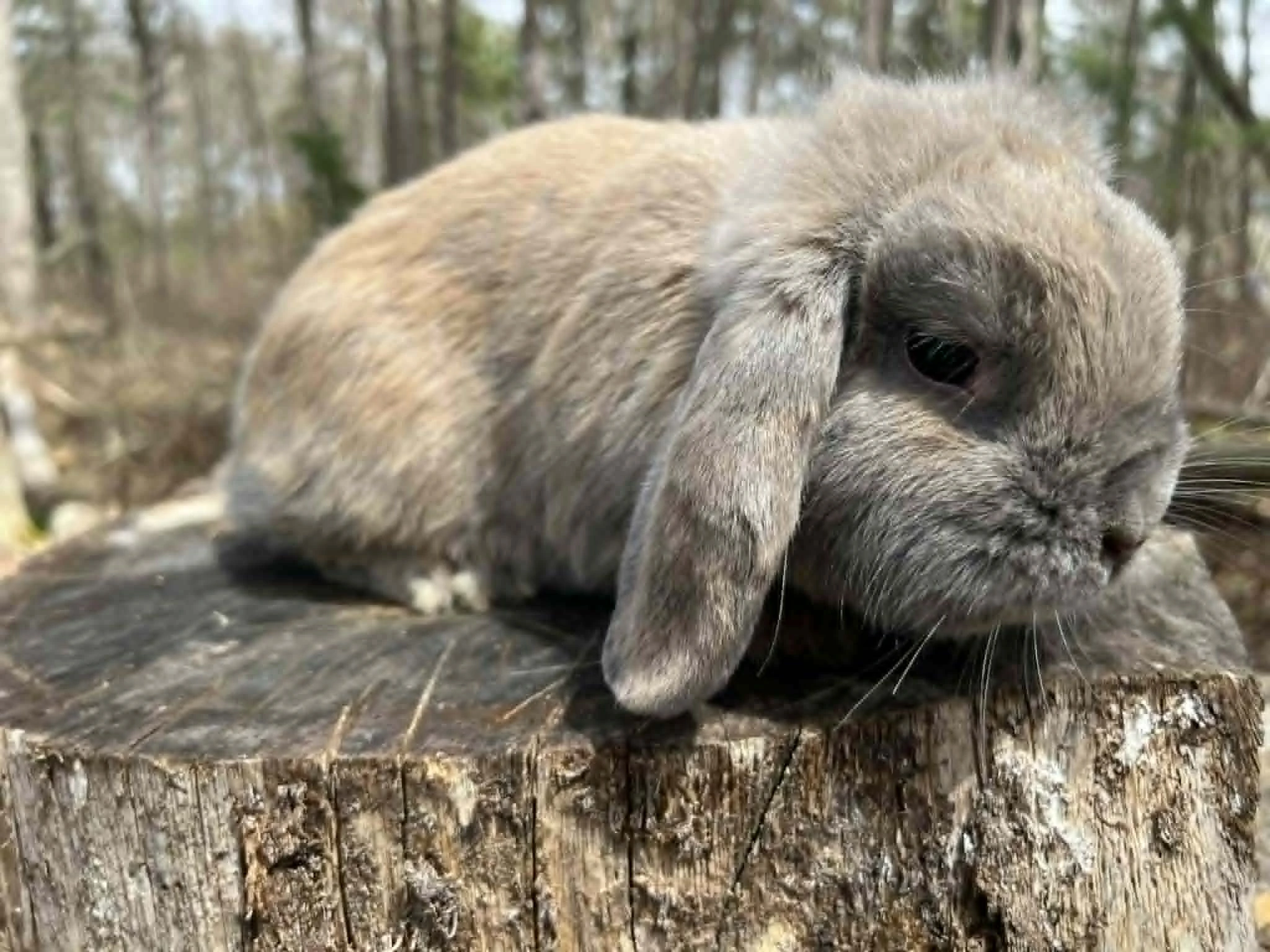
dd Dilute confirmed Vv Vienna carrier confirmed En_ Broken confirmed Harlequin in pedigree B_ Black based
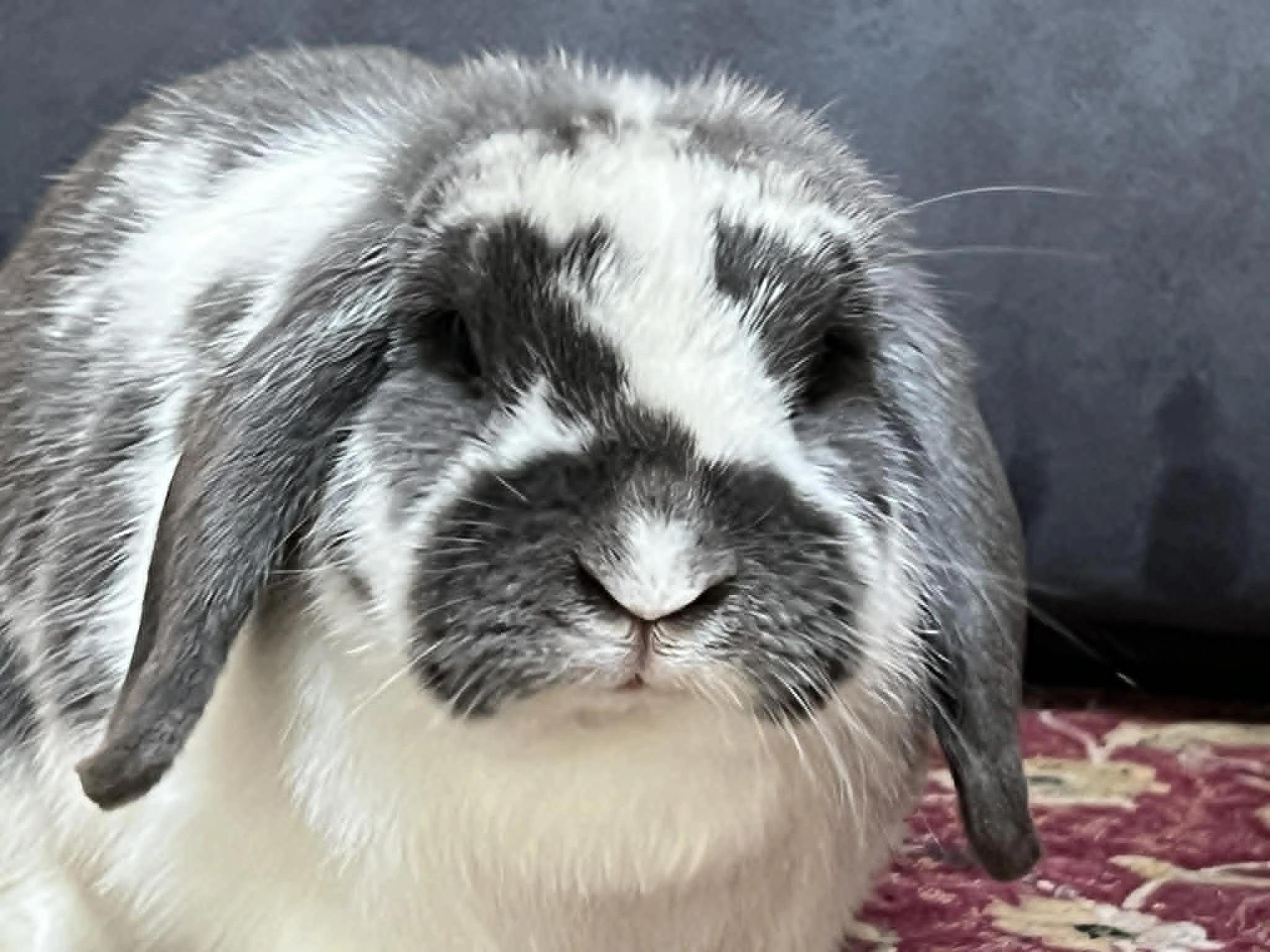
dd Dilute confirmed En_ Broken confirmed Retired — color reference only
Gene tags explained: Confirmed means the gene has been verified through visual expression, known parentage or litter outcome analysis. Likely means our best assessment based on available information. Unknown means the gene has not yet been confirmed in either direction. As our program develops and more litter data accumulates these assessments will be updated.
How We Verify Genetics
Rabbit genetics cannot always be determined by looking at the rabbit. A visually orange rabbit might carry chocolate, dilute, harlequin or Vienna genes that are completely invisible in its own coat. This is why we take a layered approach to genetic assessment rather than relying on appearance alone.
Visual Assessment
The starting point for any genetic assessment is careful observation of the rabbit itself. Eye color, coat pattern, the presence of white patches and the specific quality of pigmentation all provide initial clues. Visual assessment is reliable for genes that are dominant and fully expressed but cannot reveal recessive genes that the animal carries silently.
Litter Outcome Tracking
When a rabbit is bred and offspring are produced each kit's color and pattern provides data about what the parents actually carry. The appearance of dilute kits confirms that both parents carry at least one dilute gene. The appearance of harlequin offspring confirms the sire carries the harlequin allele. Over multiple litters the statistical pattern of offspring colors allows increasingly confident genetic assessments. This is the primary method we use to confirm genes that cannot be determined visually.
Known Parentage
When a rabbit comes from a source where parent genetics are known and documented that information contributes to the assessment. We are cautious about relying solely on pedigree color listings without independent verification — a color listed on a pedigree reflects the assessment of the person who filled it out, which may or may not include the same level of verification we apply ourselves.
Why This Matters for Buyers
When you purchase a rabbit from Birchbark the genetic information we provide reflects our genuine best understanding based on the methods above. We distinguish clearly between what is confirmed and what is assessed. We disclose Vienna carrier status, broken gene presence and other relevant genetics that affect future breeding decisions. We believe buyers deserve accurate information — and we hold ourselves to a standard of only stating what we have good reason to believe is true.
Questions about the genetics of a specific kit? Ask us — we are always happy to walk through what we know and how we know it.
Interested in a Birchbark Holland Lop?
Our carefully planned litters are producing some extraordinary color genetics. Join the interest list to be first to know when kits are available.
Join the Interest List Ask a Question